Society has norms they believe everyone should follow
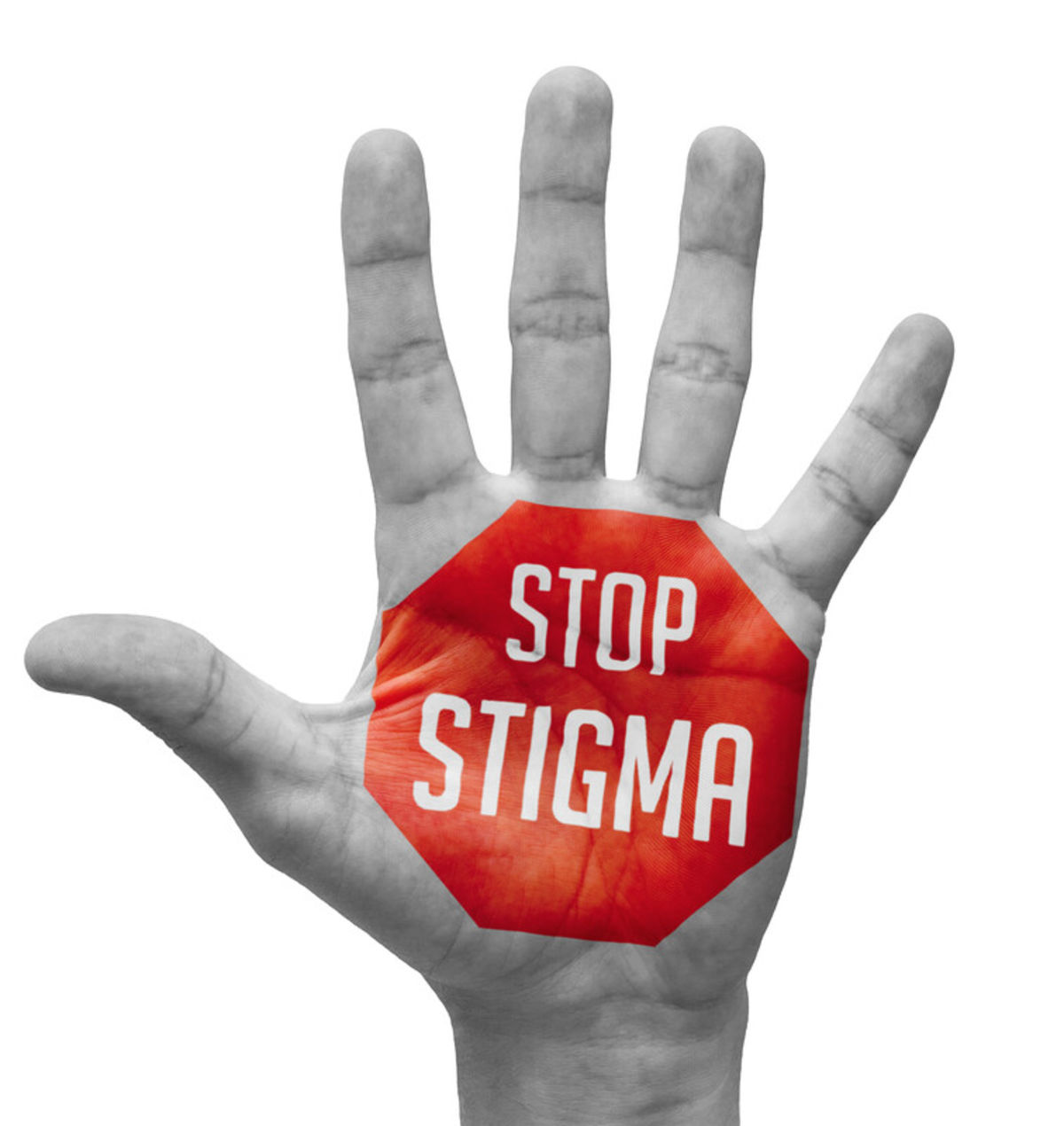
Goffman describes a stigma as different and less desirable attributes that go against the societal norms of behaviors in that area (p.3). Goffman suggests that these differences rarely produce dangerous, bad, or weak (p.3). Stigma not only being presented in terms of attributes, but mainly the lowered credit and negative connotations around relationships. Stigma is often times based on perception and opinion of the society and social world around an individual. Becker would suggest that a stigma one may receive in one area of the world could be labeled deviant, but labeled as what Goffman would consider normal in another part of the world.
Goffman Presents Three Different Types of Stigma
- Abnormalities of the body (Ex- piercings)
- Blemishes in someone’s individual character (Ex- mental disorder)
- Race, Nation, Religon (Ex- passed down from family members)
How Do People React When they are Part of the Stigmatized group?
- Adapt to the labeled “normal” behavior
- Ignore the idea of their behavior or attributes are stigmatized against in society
- Idea of Passing
Passing
Goffman suggests that people who share the stigmatization of a subgroup, have more threat towards each other than those who stigmatize the attribute. Thorton would suggest that because there is discussion of the mainstream culture more than the subculture or area being stigmatized, the oppositie of the mainstream is exploited and negative from the start of discussion. The first determination is if the behavior or attribute can be conceded within society or not. Passing is the idea of leaving the stigmatized attribute as conceded and not openly engaging or discussing the connection to this stigmatized group. Goffman suggests that there is a good feeling and rewarding experience to be considered normal in a stigmatized group therefore, people in a stigmatized group are more likely to conceal information about themselves to be considered normal. In terms of body mortifications some people may conceal parts of their body modifications in public like a tattoo. Others, may be forced to conceal. their body modifications as Goffman presents, a women having a mastectomy is not something someone has a choice but to pass in society. In terms of the other two types of stigma Goffman presents, one can decide to conceal that information about themselves, or display it in society.
Mental Illness
:max_bytes(150000):strip_icc()/definition-of-mental-illness-4587855-v1-cd7f9f37c61c49099ac8ede282db1e73.png)
Mental illness is defined as a wide range of mental health disorders that affect your mood, thinking, and behavior (Mental Illness, 2019). Mental illnesses such as depression, anxiety, and eating disorders are all mental illnesses that can present images and connotations but for the most part can remain absent in physical characteristics. There can be many what Becker would call labeled and negative deviance around people with mental illnesses such as, “crazy,” “not normal,” and “looking for attention.” Cohen would consider mental illness and their potential danger to society as a moral panic. Media, movies, and descriptions may present an image to society as dangerous but it is just as the media presents it as only 18% of people with mental illness were likely to commit a crime (Harvard Health Publishing). As Becker would use the idea that society creates the deviant behavior, it isn’t always truthful. Although, people may think mental illnesses are not dominant in society, 1 in five people experience a mental illness in their lifetime, with 1 in 25 adults experiencing an extreme case of mental illness (Harvard Health Publishing). Stigma can be created around the social institutions that someone with a mental illness is involved with such as, insane asylums, psychologist care, and even rehabilitation centers for mentally ill. All areas have a negative picture painted around them in society and in the media on a day to day basis. Stigma around mental illness can create isolation, shame, doubt, avoiding help, fewer opportunities, lack of understanding, and self-doubt (Department of Public Health and Human Services, 2015). Although, mental illness is something that should be normalized such as going to the doctor when your sick, it isn’t because people understand less about the illnesses surrounding the mental state and don’t build an understanding unless them personally or a loved one may experience the detriments of mental illness.
Passing In Terms Of Mental Illness
- Step One: Understanding the norm in society and distinguishing if you fall into that category or not. For instance, a teenager in a high school may not feel as though their mental illness is normal compared to their peers but an adult who is admitted to an insane asylum may have ease in viewing their behavior as the societal norm in that institution. Although, Goffman would suggest that the two individuals would not interact when leaving the common area because of the stigma the outside would can place on this institution.
- Step Two: The individual learns to cope with the stigma placed around their place within society. Some examples may be not to isolate, receive the help one needs despite the negative connotation around the help of mental illness, or what Goffman would pose as passing.
- Step Three: If one decides to learn to pass and pass their mental illness within society, they first need to develop a trust to themselves that they are sworn to this secrecy and able to keep the state of mind of a mental illness strictly to themselves. During this stage people realize that what they view of themselves and the mental illness they may experience are not apparent to all members of society but just the individual.
- Step Four: Creating the disguise; during this step one may determine where it can be difficult to be present, in terms of being found out, and avoid those places. Additionally, one may start to learn to conceal certain aspects and behaviors that don’t correlate with the image the individual is presenting the world with. Or on the other hand, find places where one is able to be their true self and not mask their identity.
Institutions, Demographics, Power
Institutions– As Goffman suggested, people who cary the same stigmatized attribute can be more of a threat to the group than people in the mainstream culture. It can be hard for people to accept what they don’t understand which can create the stigma further. As for insane asylums, institutions, doctors, psychologists, and and more mental health providers it can create a further stigma but also a “normal” tendency. For instance, on a positive- many people in those institutions are experiencing the same problems and can be a normal to the people who experience stigma in the main stream society. On the other hand, these institutions can create a further stigma to the mental illness, being engaged in these institutions can create a negative connotation for these individuals and can also create an egocentric view in which the individual feels as though their stigmatized subculture is being viewed much more than it may actually be viewed in society.
Demographics- 1 in 5 adults experience mental illness. Ethnicity views of mental illness experience- Non-Hispanic Asian: 14.7% Non-Hispanic white: 20.4% Non-Hispanic black or African-American: 16.2% Non-Hispanic mixed/multiracial: 26.8% Hispanic or Latino: 16.9% Lesbian, Gay or Bisexual: 37.4% (Nami).
Power- Society has the power to create the social stigma against mental illness. Additionally, those who are involved in the stigmatized mental illness, have the power to create the stigma more prevalent as Goffman presents, those involved in the situation may be more of a threat to an individual. Media plays a large role in how mental illness is displayed within society.
Discussion Question:
Do you think that the influence of stigma in society surrounding mental illness shapes the way that people view themselves in society in terms of having a mental illness?
References
- Mental illness. (2019, June 8). Retrieved from https://www.mayoclinic.org/diseases-conditions/mental-illness/symptoms-causes/syc-20374968
- Department of Health & Human Services. (2015, September 18). Stigma, discrimination and mental illness. Retrieved from https://www.betterhealth.vic.gov.au/health/servicesandsupport/stigma-discrimination-and-mental-illness
- Harvard Health Publishing. (n.d.). Mental illness and violence. Retrieved from https://www.health.harvard.edu/newsletter_article/mental-illness-and-violence
- NAMI. (n.d.). Retrieved from https://www.nami.org/learn-more/mental-health-by-the-numbers
- The Outsiders. (1983, March 25). Retrieved from https://www.imdb.com/title/tt0086066/
- Cohen, S. (2015). Folk devils and moral panics: the creation of the Mods and Rockers. London: Routledge, Taylor & Francis Group.
 Rylie's Blog